Resources > State of the Gulf of Maine Report
|
||||||||||||||||

Welcome to the State of the Gulf of Maine
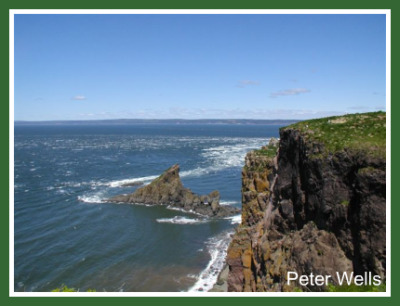
| The Gulf of Maine is a dynamic, changing ecosystem. Bordered by the northeastern United States and the Canadian Maritime Provinces, the Gulf of Maine is one of the largest semi-enclosed coastal seas in North America. It is recognized as one of the world’s richest marine ecosystems with various marine and estuarine habitats, such as salt marshes, seagrass beds, tidal mud flats, underwater rocky outcrops, and kelp beds. Over 10 million people live in the Gulf of Maine watershed. Along its western and northern shores lie the cities and towns of coastal Massachusetts, New Hampshire, Maine, New Brunswick, and Nova Scotia. The Gulf has supported a long tradition of fishing, marine transportation, coastal development, and recreation, and continues to be a valuable resource for the people who live and work in the region. |  |
Contents
The State of the Gulf of Maine Report is a modular, living document made up of a context document and a series of theme or issue papers.
- The context document, The Gulf of Maine in Context (.pdf), provides an introduction to the natural and socio-economic environment of the Gulf of Maine. It provides an overview of the Gulf of Maine, particularly for those readers who are not familiar with the region.
- The theme papers provide a more in-depth look at important issues within the Gulf, based on priority areas identified by the Council. They will be developed incrementally from 2010 to 2013 and after that will be regularly updated at time intervals appropriate to each issue. The structure of the papers follows the driving forces-pressure-state-impacts-response (DPSIR) framework.
Introduction
|
Coastal Development
|
Aquatic Habitats
|
Vision for the Future
| “Building on its past accomplishments, the Council intends to continue supporting region-wide information gathering and sharing (e.g., seafloor mapping, environmental monitoring, science translation to management, indicators, state-of-the-environment reporting), public outreach and education, habitat restoration, and addressing key science and policy gaps. The Council will continue to foster innovative approaches to sharing information and enhancing collaboration. By working together in a regional forum, the states, provinces, and federal agencies learn from each other, try new approaches, and coordinate their efforts. As a result, they become better stewards of the resources for which they are responsible.”
Source: Action Plan 2007-2012 We hope the State of the Gulf reports provide useful information for your endeavours in the Gulf of Maine, and we look forward to your feedback. |
 |
|
Editorial Team
|
Acknowledgements
|
|
| Editor-in-Chief, Canadian Co-chair Heather Breeze Fisheries and Oceans Canada U.S. Co-chair Rebecca Newhall NOAAEditorial Committee Robert Capozi NB Department of Environment and Local GovernmentKelly Cowper Environment Canada Anne Donovan Liz Hertz |
Communications Theresa Torrent Maine Coastal Program James Cradock YellahooseIf you have any questions about the State of the Gulf of Maine Report or would like to be involved in writing a theme paper, please contact:Heather Breeze Fisheries and Oceans Canada Tel: 902.426.9851 |
The State of the Gulf of Maine Report is coordinated and funded by: Additional funding and in-kind support provided by: Additional funding and in-kind support provided by:    
|